Architectural gems you didn’t know are downtown
May 1, 2026 · City Center, Culture & History, Engage, Visit
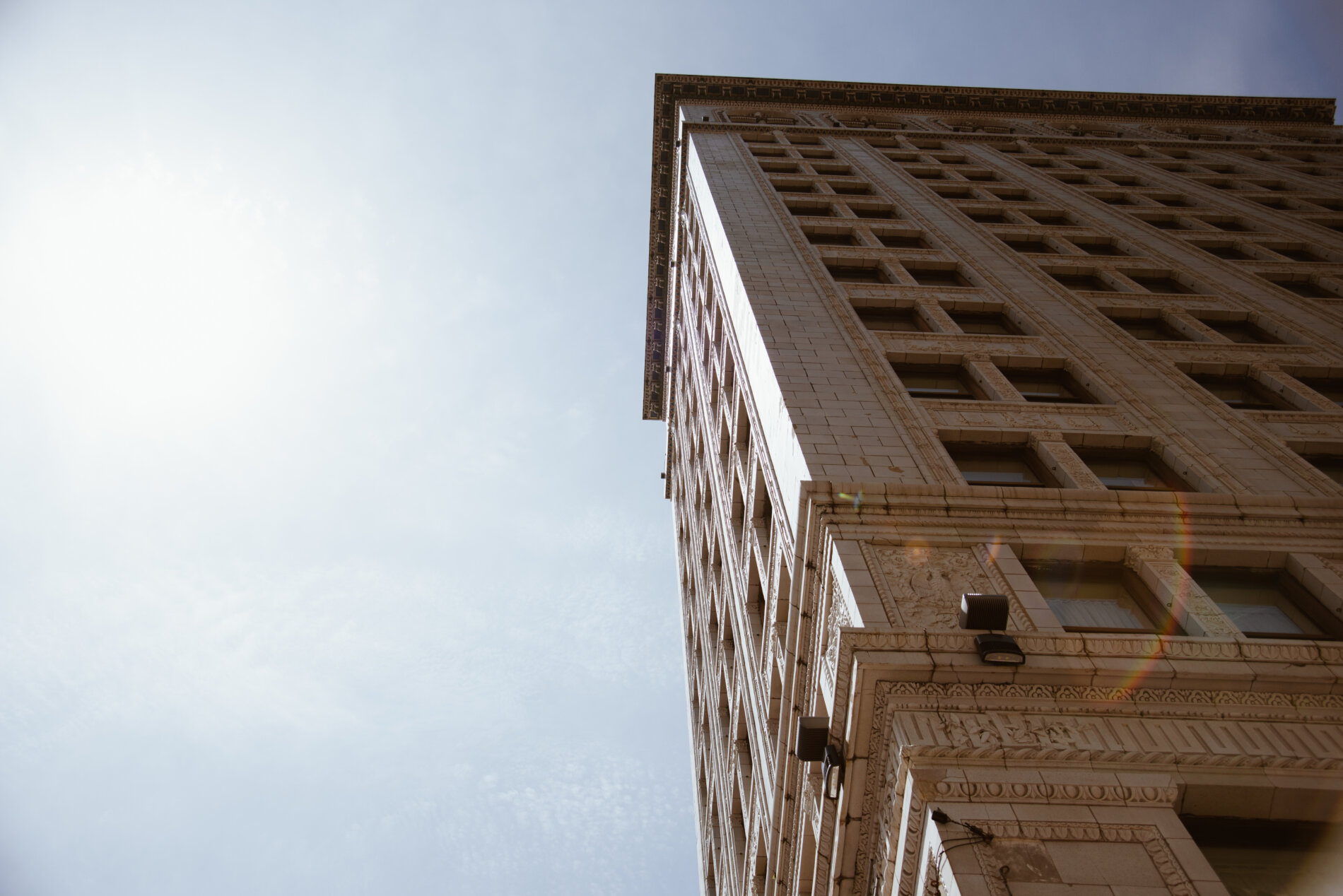
If you’ve spent any time in downtown Birmingham, you’ve likely walked past pieces of history without even realizing it. They’re not hidden, exactly — they’re just easy to overlook in the rhythm of daily life. A familiar storefront. A well-worn street. A building you pass on your way to coffee or a meeting.
This National Historic Preservation Month, we’re inviting you to slow down, look up and rediscover the city through a new lens. Because tucked into downtown’s blocks are architectural details and historic structures that tell stories of innovation, industry and identity. That is, if you know where to look.
A walk down memory lane
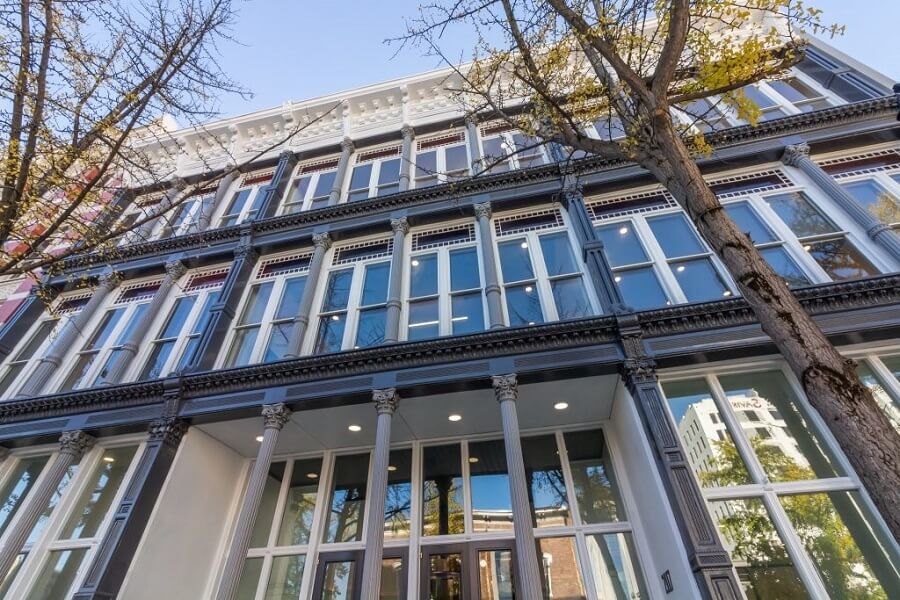
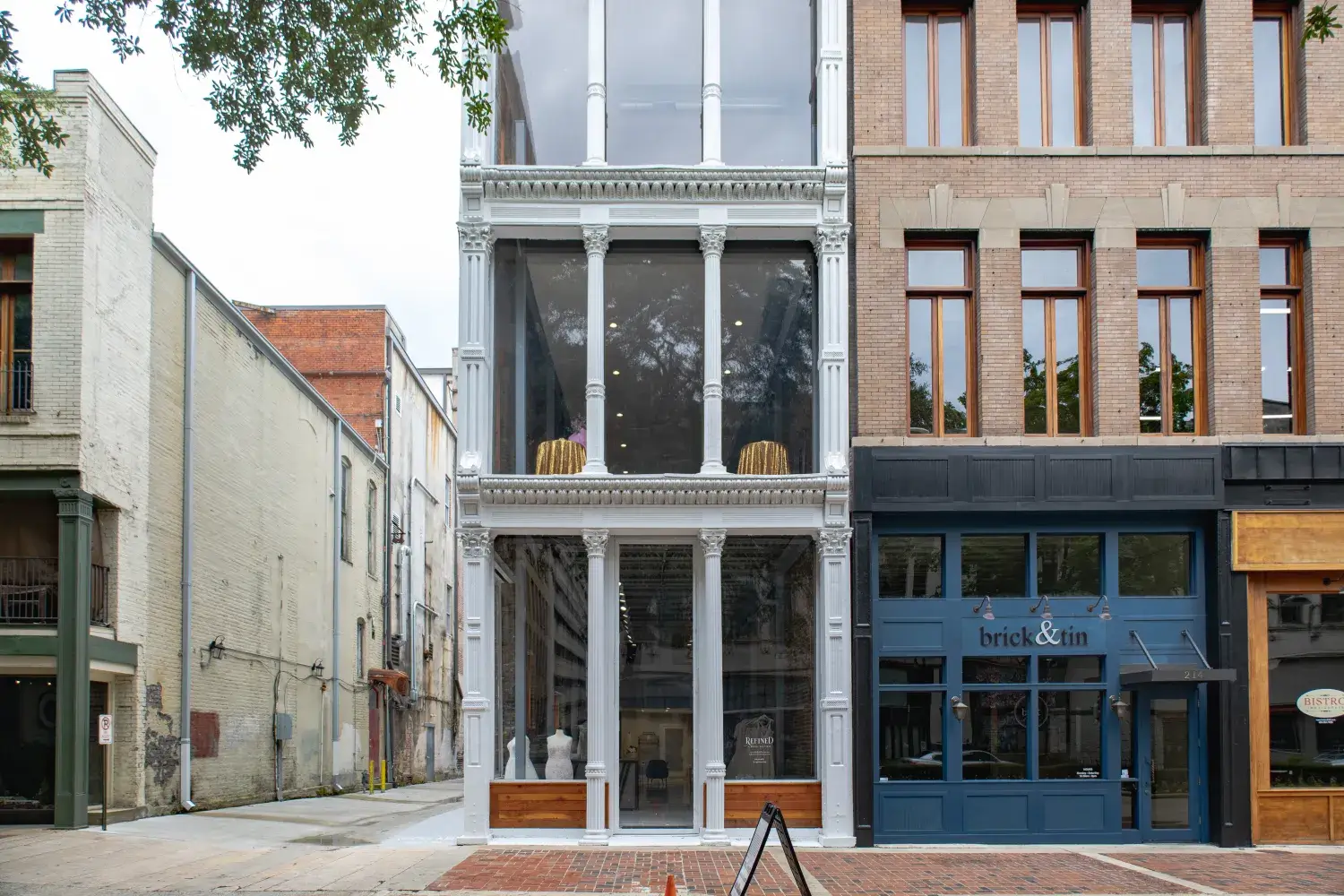
Take the cast-iron façades at Zinszer Building on 2nd Avenue North and Iron Age Building on 20th Street North. At a glance, they may read as just another set of historic storefronts. But cast iron was once a cutting-edge material, allowing for intricate decorative designs that could be prefabricated and assembled on-site. The façades are rare survivors of that era, echoing a time when downtown Birmingham was rapidly establishing itself as an industrial and commercial hub.
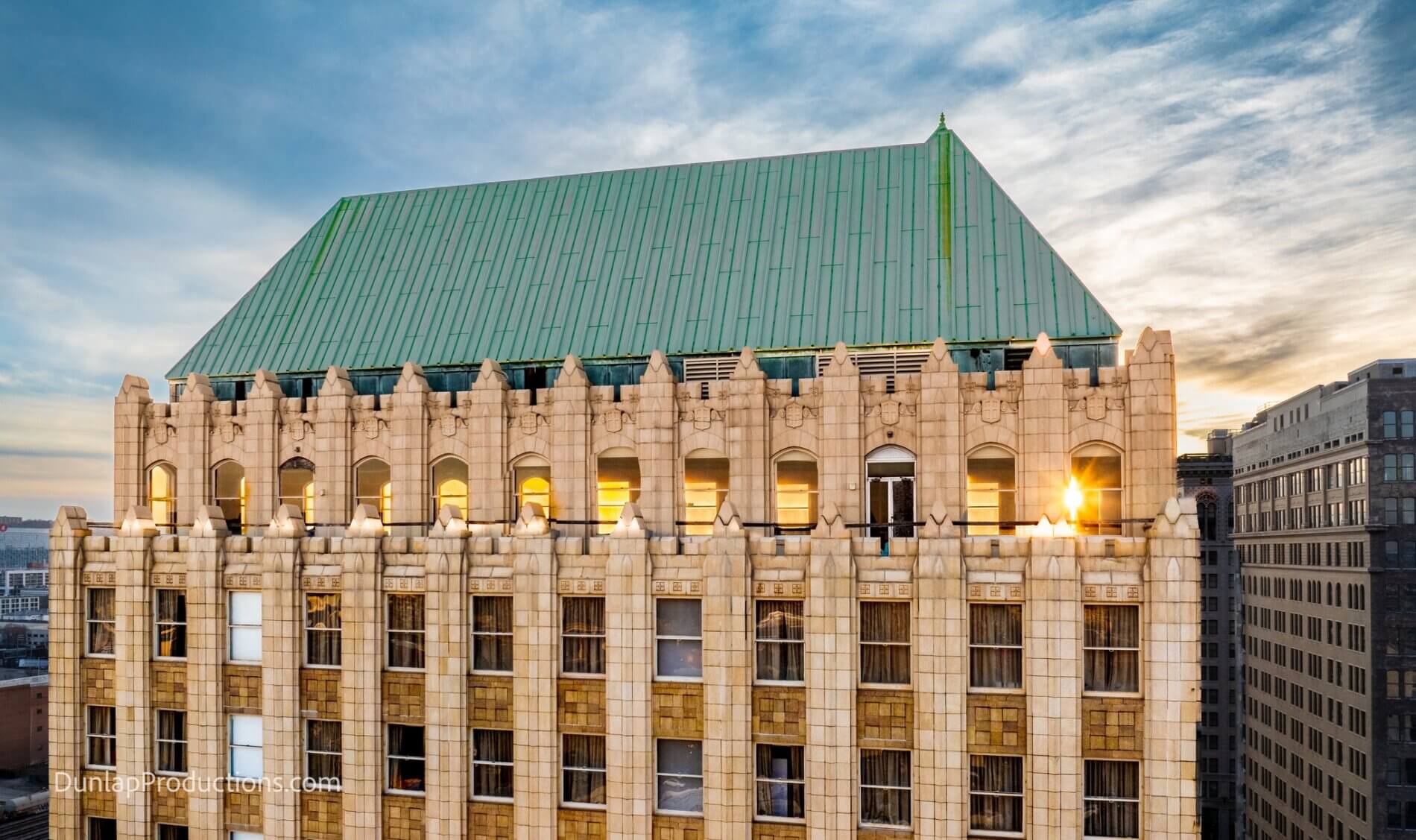
Just a few blocks away, the upper stories of the Kelly Hotel on 1st Avenue North hold their own quiet intrigue. While you may already appreciate the ground-floor lobby’s design inspired by the past, be sure to look up. You’ll spot a distinctive copper roof and additional details that continue the building’s historic character. Fun fact: Its seventh floor once housed offices for Warren, Knight & Davis, a notable architecture firm whose work helped shape downtown’s built environment. It’s a reminder that downtown’s history isn’t just in its foundations, but layered vertically, often just above eye level.
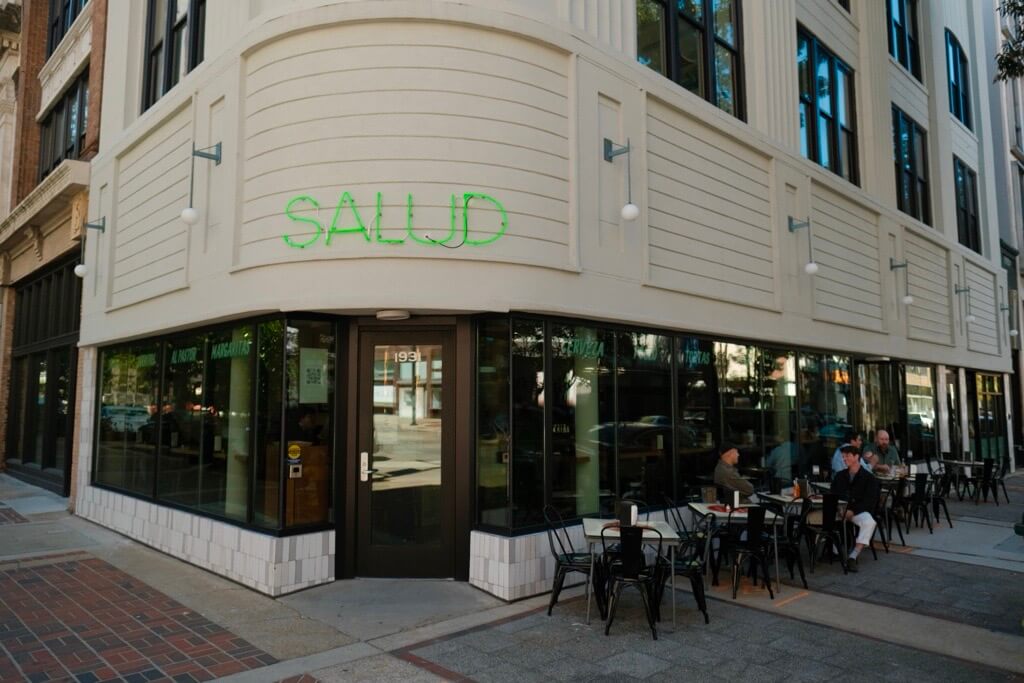
Then there’s the Webb Building on the corner of 2nd Avenue and 20th Street North, one of the oldest surviving commercial structures in the city and currently home to Salud Taqueria. While it holds that distinction, it doesn’t appear exactly as it did in its earliest days. The facade has been updated over time, taking on the more recent Art Deco look you see today. Modest in scale compared to some of its neighbors, it stands as a tangible link to Birmingham’s earliest days of growth. Buildings like this don’t just anchor a streetscape; they anchor a timeline, offering a physical connection to the city’s beginnings.
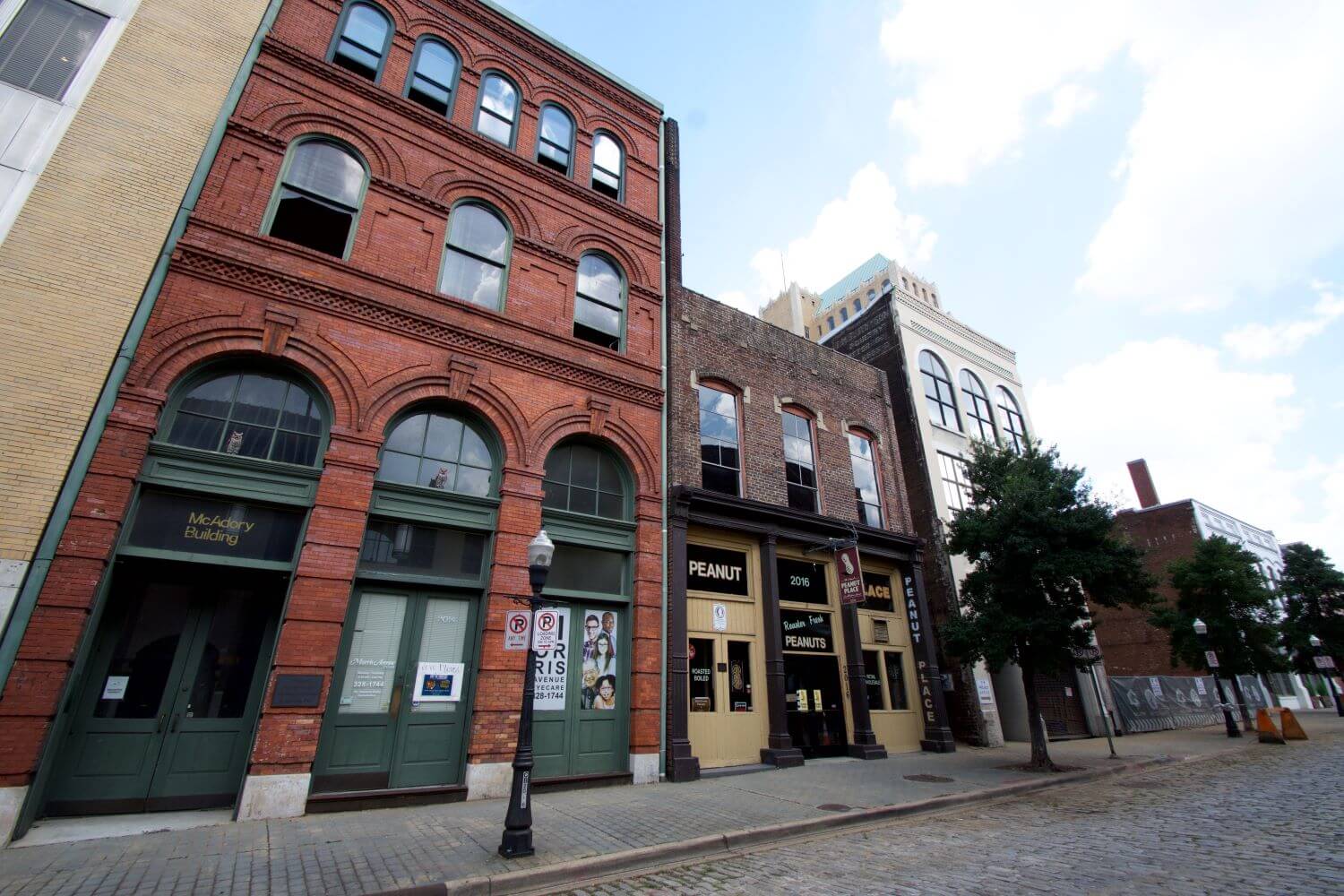
And of course, no downtown discovery is complete without a stroll along Morris Avenue. Its cobblestone street is more than just a photogenic backdrop — though it excels on that front, too! It’s another surviving example of early street construction, worn smooth by decades of foot traffic, wagons and wheels. Each stone carries the imprint of movement and change, a textured reminder of how the city has evolved.
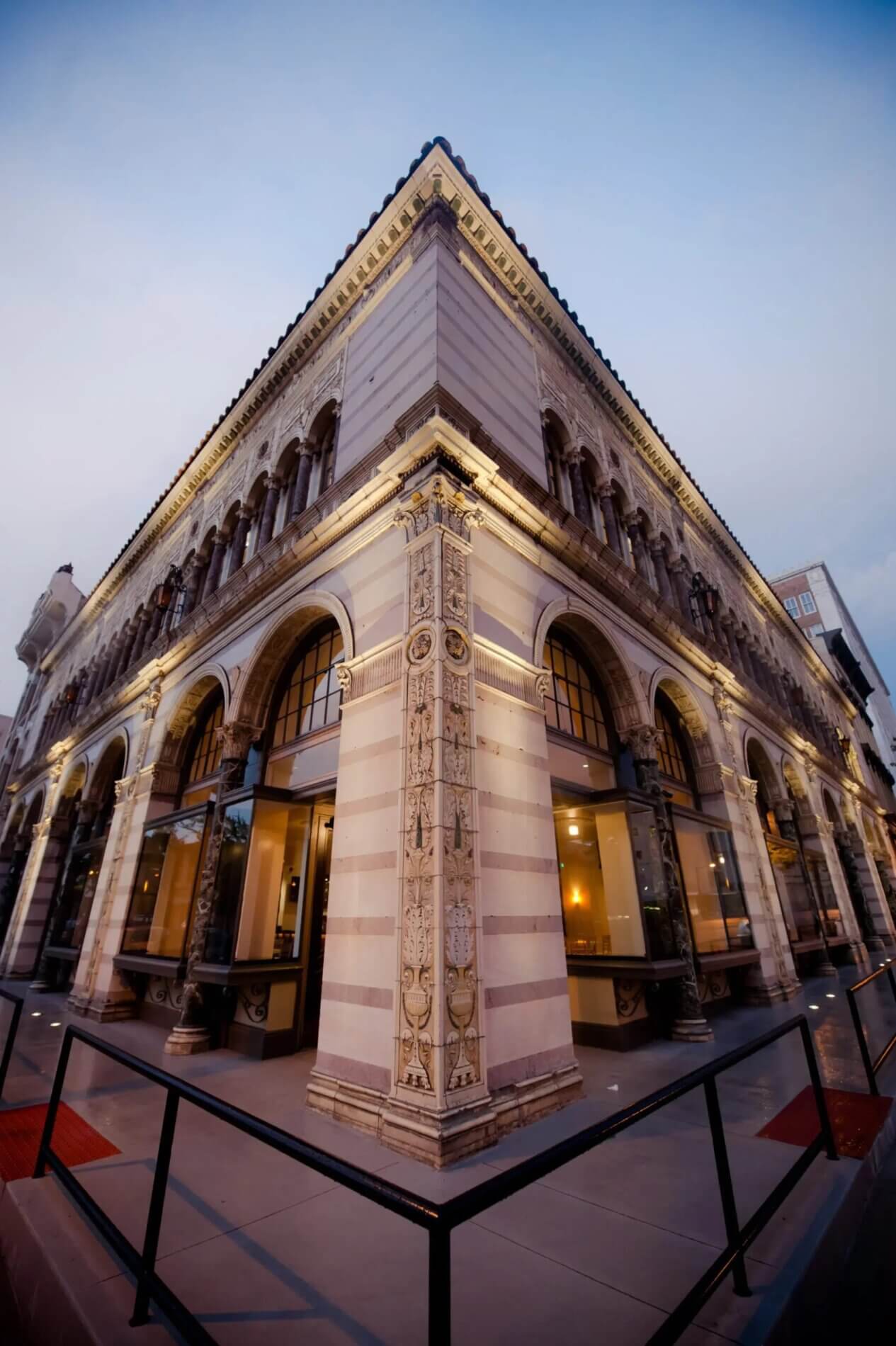
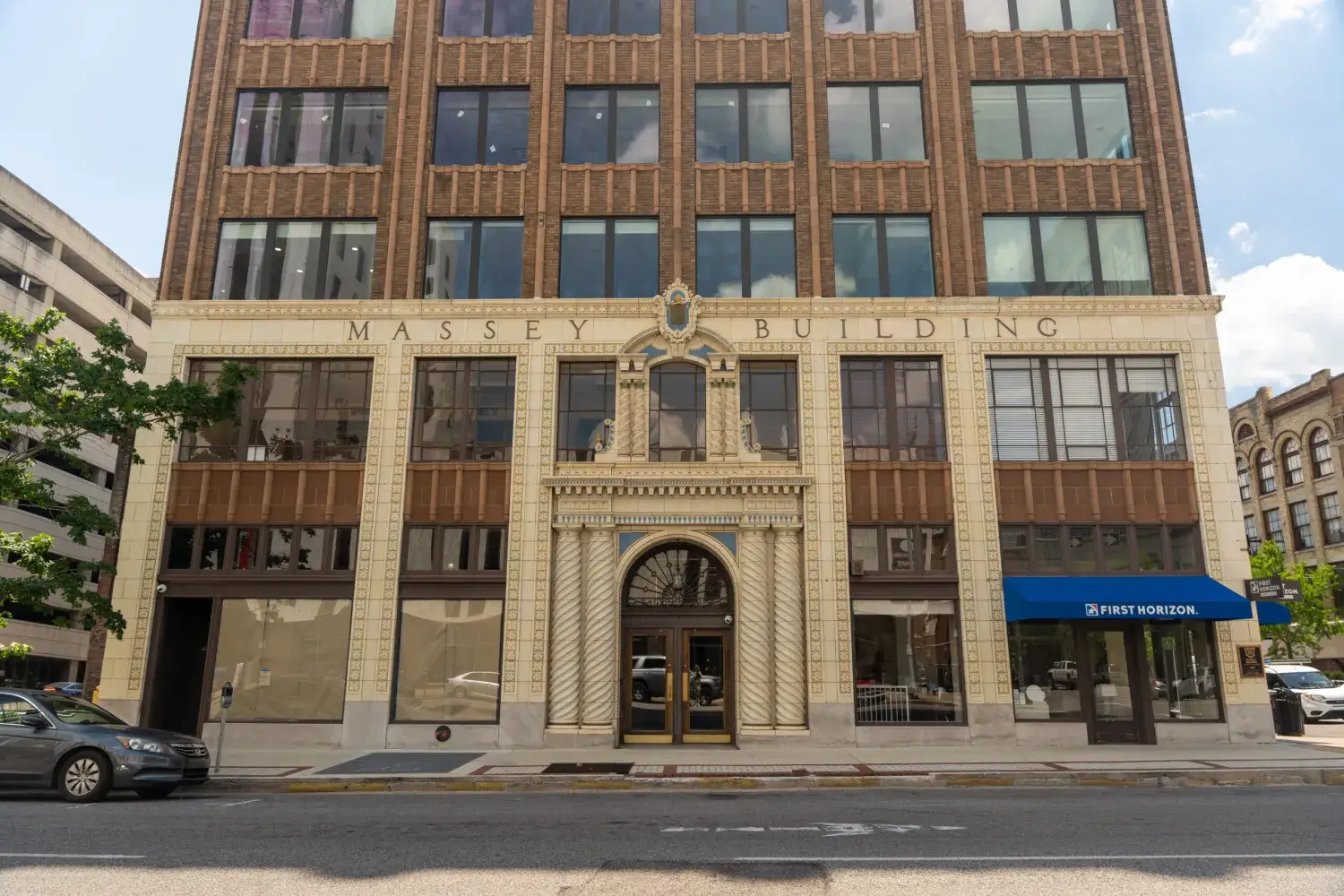
But some of downtown’s most striking details are found not in iron or stone, but in clay. Look closely at the façades of The Florentine Building on 2nd Avenue North and Massey Building on 3rd Avenue North, where ornate Terra Cotta adds both texture and storytelling to the skyline. Terra Cotta, literally translated to “baked earth,” allowed architects to create elaborate ornamentation that was lighter and more affordable than carved stone. Here, it takes the form of decorative panels, flourishes, and subtle patterns that reward anyone willing to pause and take a second look. It’s the kind of craftsmanship that turns a building into a piece of art.
Dive deeper this Historic Preservation Month
If this kind of discovery sparks your curiosity, you’re not alone, and you don’t have to explore on your own. The Birmingham Historical Society offers an array of self-guided tours, history hunts and other resources that bring even more of these stories to life. It’s a chance to see downtown not just as it is, but as it has been — and as a place worth preserving for the future.
Throughout this month, we’ll be diving deeper into the historic preservation efforts that continue to shape downtown Birmingham. But for now, consider this your starting point: the next time you’re downtown, pause for a moment. Look up. Look closer.
You might be surprised by what’s been there all along.
Read More
Preservation that pays: The economic case for saving historic buildings
When people think about historic preservation, they often think about nostalgia, architecture or cultural identity. And yes, those things matter. Historic buildings help tell the story of a city and create the kind of authentic places people actually want to spend time in. But preservation isn’t just about sentiment. It’s also about economics. Economist Donovan […]

What makes a downtown feel alive?
There’s a certain energy you feel the moment you step into a thriving downtown. It’s not just about tall buildings or busy streets, it’s about the interplay of people, design, activity and care. In Birmingham, that sense of vibrancy is something we actively cultivate every day. Here’s a closer look at the elements that bring a downtown to life and how we’re working to strengthen each one. Foot […]