Preservation that pays: The economic case for saving historic buildings
May 15, 2026 · City Center, Culture & History, Develop, Engage, Five Points South, The Switch, Visit
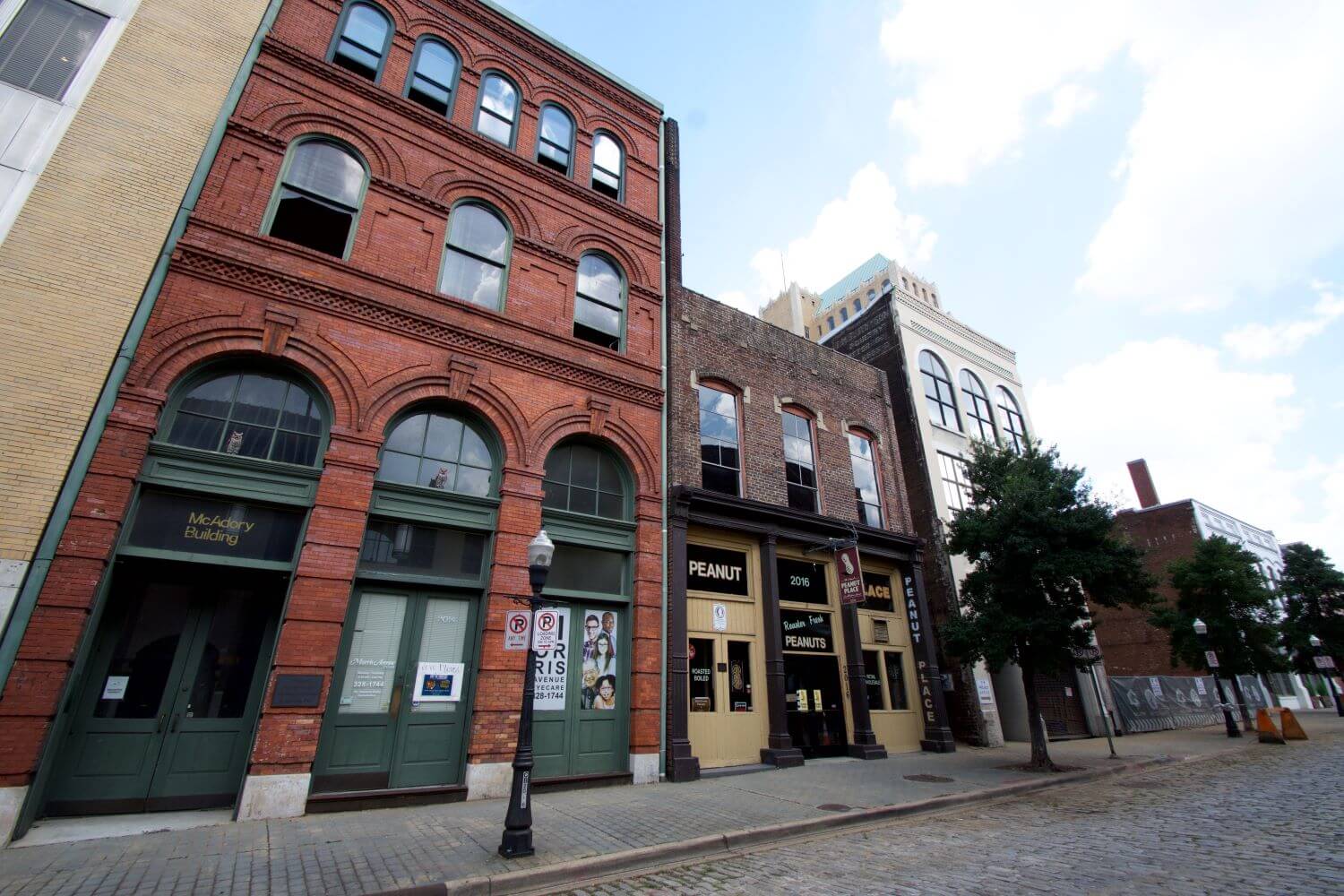
When people think about historic preservation, they often think about nostalgia, architecture or cultural identity. And yes, those things matter. Historic buildings help tell the story of a city and create the kind of authentic places people actually want to spend time in.
But preservation isn’t just about sentiment. It’s also about economics. Economist Donovan Rypkema has noted, “Every major criticism of historic preservation — jobs, cost, sustainability, affordability and property rights — has been tested against real data. In nearly every case, the evidence shows preservation is not a constraint on growth, but a proven strategy for stronger, more resilient local economies.”
Across the country — and especially here in downtown Birmingham — preserving and reusing historic buildings is about economic efficiency, resource conservation and place-based competitiveness. From tourism dollars to sustainability and construction costs, preservation has become one of the smartest redevelopment strategies available.
Adaptive reuse in action
Construction costs continue to rise nationwide. Materials, labor and infrastructure expenses have all increased significantly in recent years, making ground-up development more expensive and more difficult to finance.
That reality has made adaptive reuse, repurposing existing buildings for new uses, increasingly attractive.
Historic buildings already contain enormous amounts of embodied value: structural systems, masonry, craftsmanship and infrastructure that would be incredibly expensive to recreate today. In many cases, reusing what already exists can reduce waste, shorten construction timelines and preserve irreplaceable materials that would otherwise end up in a landfill.
Older buildings were also often constructed with durable, high-quality materials that are difficult or prohibitively expensive to replicate in modern construction. Thick masonry walls, old-growth timber and ornate architectural details aren’t just aesthetically valuable; they represent significant material investment.
And in a city like Birmingham, where historic commercial buildings remain abundant downtown, preservation gives developers an opportunity to work with assets that already have character, walkability and a sense of place built in.
Creating jobs and spurring growth
Historic rehabilitation projects are also powerful economic engines.
Unlike new construction, which often relies heavily on manufactured materials shipped from elsewhere, preservation work tends to be more labor-intensive and locally driven. Rehabilitation projects typically require architects, engineers, craftspeople, contractors and specialized trades working directly within the community.
According to the Advisory Council on Historic Preservation, the Federal Historic Tax Credit program has leveraged more than $131 billion in private investment nationwide since its inception.
That investment doesn’t just restore buildings. It generates jobs, expands housing opportunities and increases surrounding property values.
In Birmingham, you can see the ripple effects throughout downtown. Once-vacant buildings have been transformed into apartments, coworking spaces, restaurants, hotels and entertainment venues that contribute to the city’s tax base and street-level activity.
Preservation doesn’t freeze cities in time. It allows historic spaces to evolve and remain economically productive while retaining unique and authentic character.
Encouraging heritage tourism
People travel to places with identity.
Visitors are drawn to cities that feel authentic — places where historic architecture, local culture and unique streetscapes create experiences you simply can’t replicate in suburban shopping centers or generic developments.
That’s where heritage tourism comes in.
Heritage tourism focuses on experiencing the history, architecture and culture of a place. And it has become a major economic driver for communities across the country. When people consider where they want to travel, they describe historic environments, cultural assets and great places. Rarely do people reflect that they really wanted to go to a place with lots of parking lots where buildings used to be!
In Birmingham, historic assets help define the city’s character and attract visitors year-round. Landmarks like Alabama Theatre, Lyric Theatre, Sloss Furnaces and the city’s historic commercial districts all contribute to a stronger tourism economy.
Even smaller-scale preservation matters. A preserved streetscape filled with historic storefronts creates the kind of walkable, memorable environment that encourages people to linger, dine, shop and return. Demolish enough historic fabric, and cities begin to lose the very character that makes them destinations in the first place.
Keeping Birmingham green
One of the greenest buildings is often the one that already exists.
Demolition and new construction generate enormous amounts of waste and carbon emissions. Preservation and adaptive reuse reduce those impacts by extending the life of existing buildings and conserving the energy already embedded in their materials and construction.
This idea has become increasingly important as cities look for more sustainable approaches to growth and development.
Preservation aligns naturally with sustainability because it prioritizes reuse over replacement. Instead of sending tons of brick, steel and concrete to a landfill, adaptive reuse projects give existing structures new life while maintaining the urban fabric that supports walkability and density.
Historic Tax Credits are critical
One of the biggest drivers behind successful historic rehabilitation projects is the availability of historic tax credits. These programs are specifically designed to encourage investment in older buildings and help offset the cost of rehabilitation.
The Federal Historic Tax Credit provides a 20% federal income tax credit for the rehabilitation of certified historic, income-producing buildings. In Alabama, projects may also qualify for the Alabama Historic Rehabilitation Tax Credit, which offers an additional 25% refundable state tax credit for eligible rehabilitation expenses.
Together, those incentives can dramatically reduce project costs and help close financing gaps that might otherwise make redevelopment impossible.
In Birmingham, these tools have played a major role in downtown’s revitalization over the last two decades. Many of the loft apartments, boutique hotels, restaurants and office spaces that now fill formerly vacant buildings were made financially feasible through historic tax credits and adaptive reuse incentives.
Without these programs, many historic buildings would simply sit vacant — or worse, face demolition.
Investing in the Magic City’s future
Historic preservation is often framed as a choice between sentiment and progress. But in reality, preservation can be one of the most practical economic development tools a city has.
It creates jobs.
It supports small businesses.
It attracts visitors.
It generates tax revenue.
It reduces waste.
And it helps cities retain the authenticity that makes people want to live, work and invest there in the first place.
For Birmingham, preservation isn’t just about honoring the past. It’s about building a stronger, more economically resilient future — one historic building at a time.
Read More
Becoming a preservation advocate (even if you’re not an expert)
Historic preservation can feel intimidating from the outside. The terminology, tax credits, architectural styles and policy conversations can make it seem like you need a specialized background before you can participate. But the truth is, some of the strongest preservation advocates are simply people who care deeply about the places they call home. For the […]
Architectural gems you didn’t know are downtown
If you’ve spent any time in downtown Birmingham, you’ve likely walked past pieces of history without even realizing it. They’re not hidden, exactly — they’re just easy to overlook in the rhythm of daily life. A familiar storefront. A well-worn street. A building you pass on your way to coffee or a meeting. This National Historic Preservation Month, we’re inviting you to slow down, look up and […]