The ripple effect of downtown investment
June 12, 2026 · City Center, Culture & History, Develop, Live, Visit
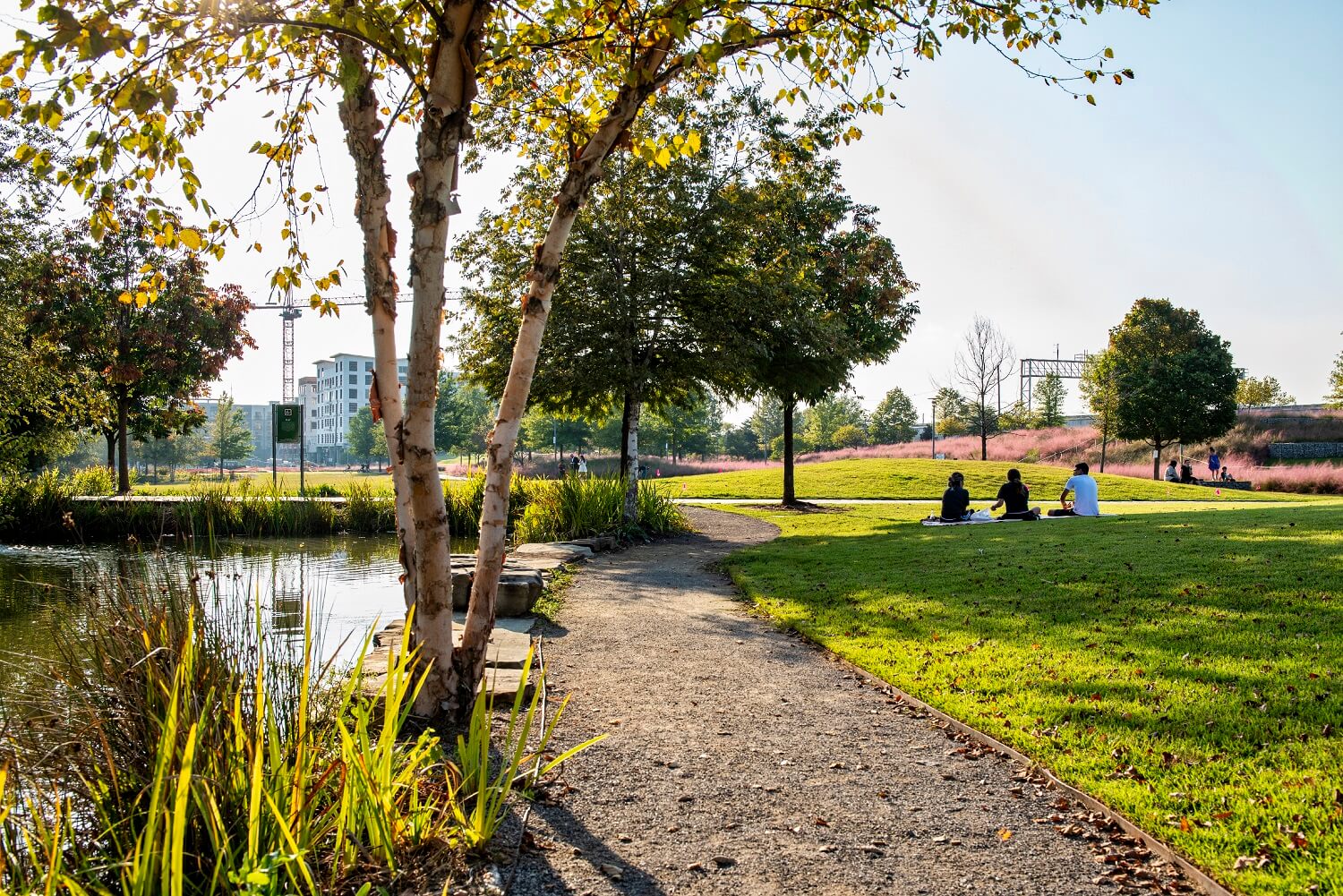
Big change downtown rarely happens because of a single project. More often, one investment makes people see a place differently.
A park fills up. A trail gets people walking between neighborhoods. An old building turns its lights back on.
People spend more time there. Businesses open nearby. More people decide to live downtown. Slowly, one project becomes part of something bigger.
Downtown Birmingham has seen that happen again and again over the last two decades. Here are three examples of projects that started as investments in place — and helped create momentum for what came next.
Railroad Park: From empty land to everyday destination
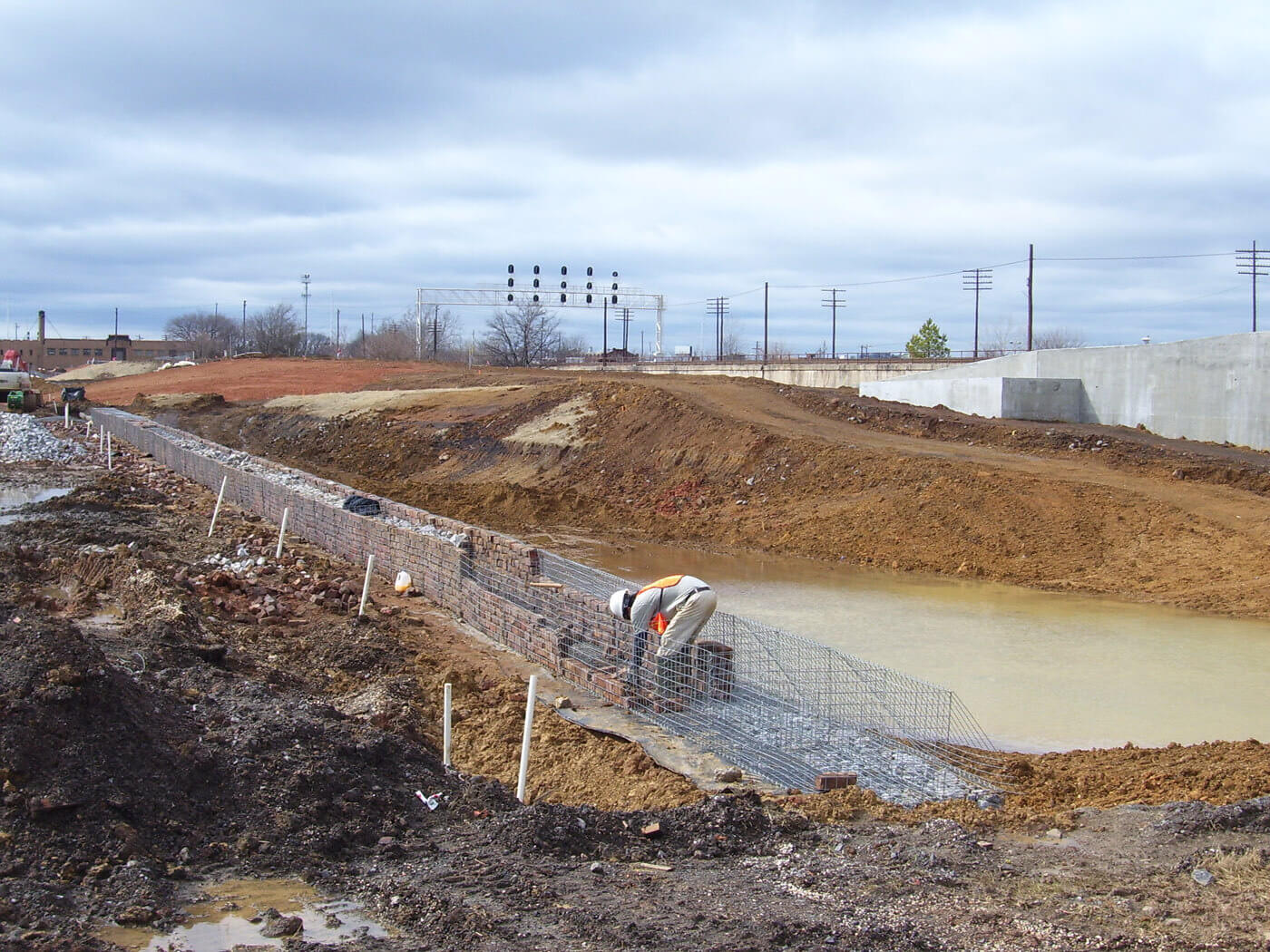
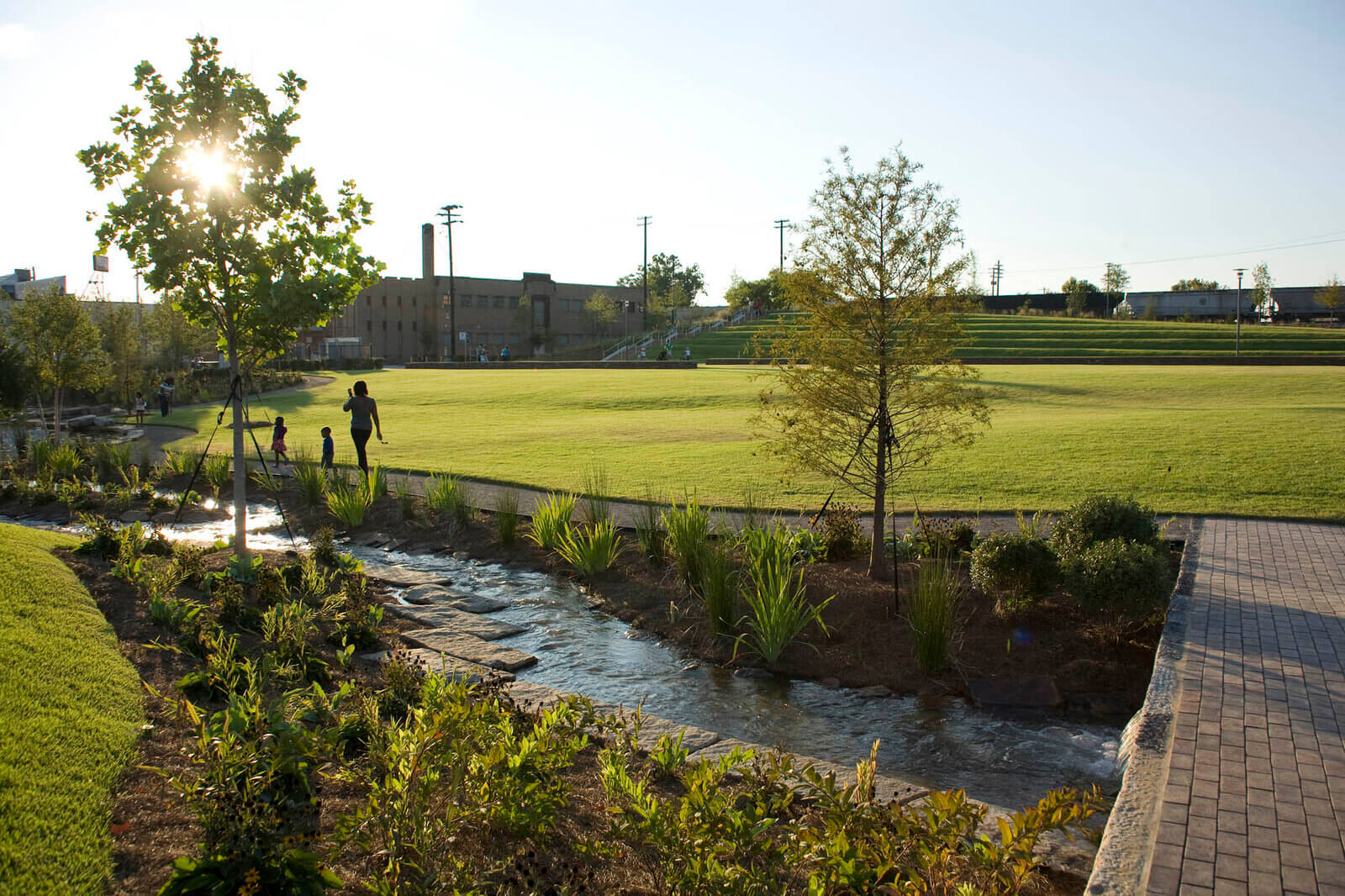
When Railroad Park opened in 2010, Birmingham gained more than a park. The 19-acre green space created a new front porch for Birmingham — somewhere office workers, students, families, and visitors could all end up in the same place.
The site was developed through a public-private partnership with an investment of approximately $23 million. At the time, much of the surrounding area looked very different than it does today: surface parking lots, disconnected blocks, and fewer reasons to linger.
That changed.
According to Landscape Performance studies, Railroad Park helped spur more than $324.5 million in public and private investment in the surrounding area after opening.
One of the clearest examples is Regions Field. The $64 million ballpark opened just a few years later and brought the Birmingham Barons back into the center of the city. Together, the park and stadium helped establish Parkside as a destination instead of a pass-through. In fact, Railroad Park was recognized with the Urban Land Institute’s Open Space Award in 2012, beating out New York City’s High Line for the honor.
Today, the area includes housing, restaurants, hotels, offices, and everyday activity that extends well beyond game days.
Rotary Trail: Connecting downtown, one step at a time
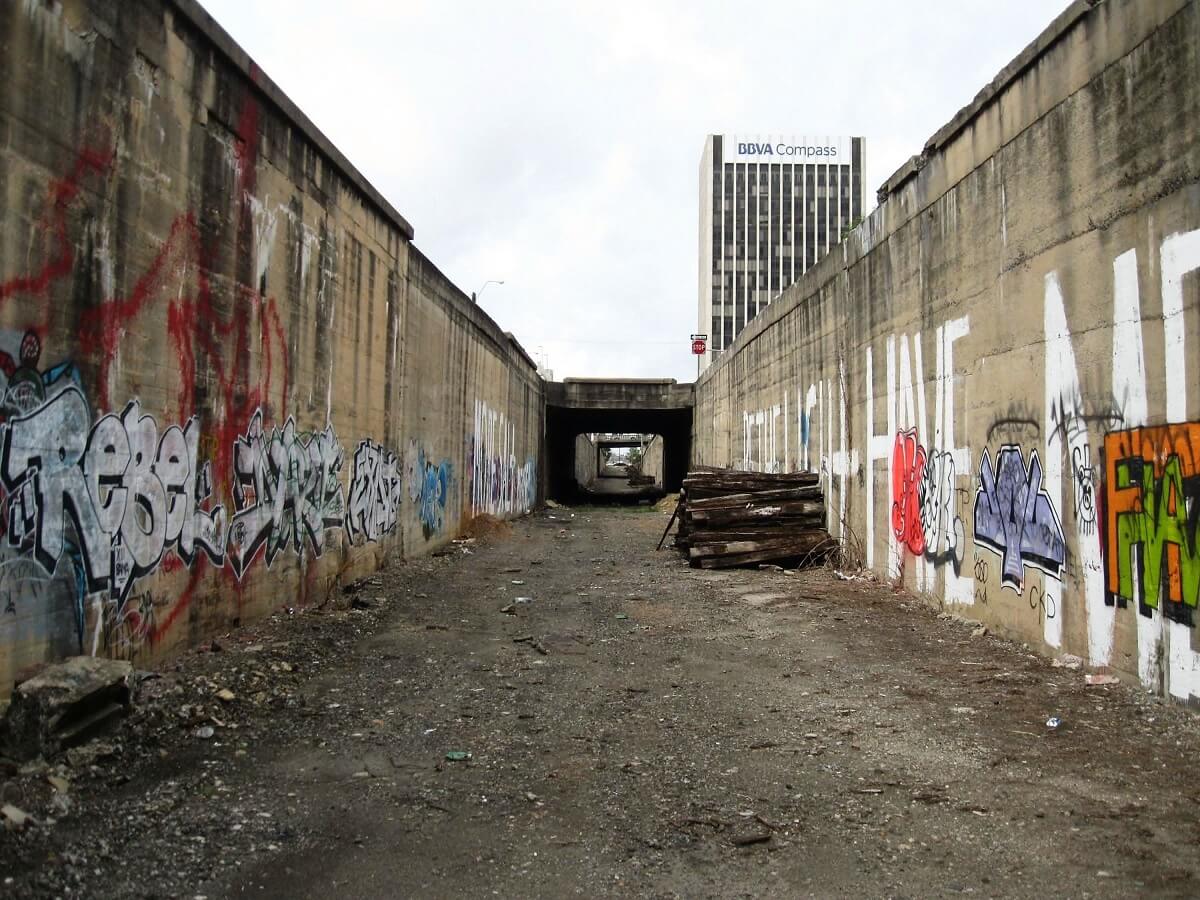
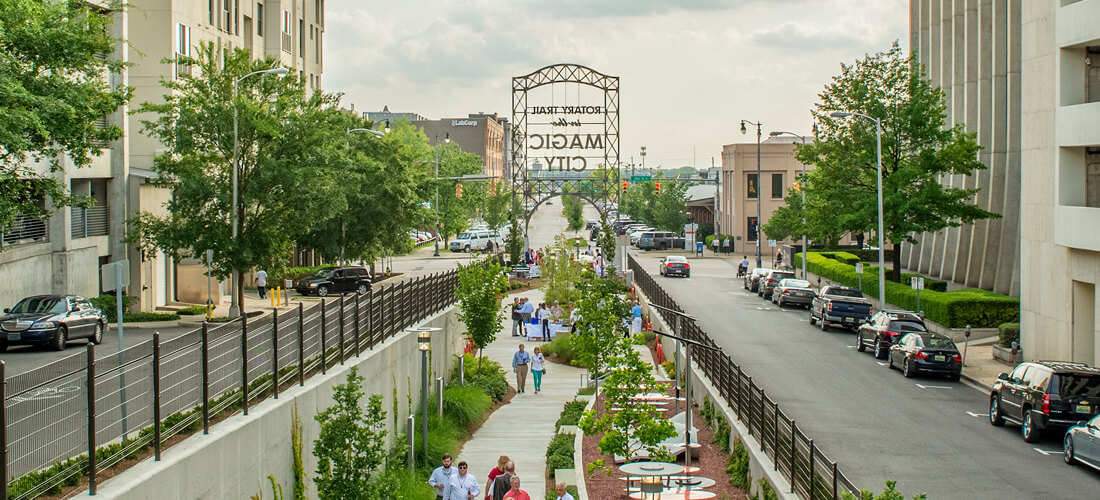
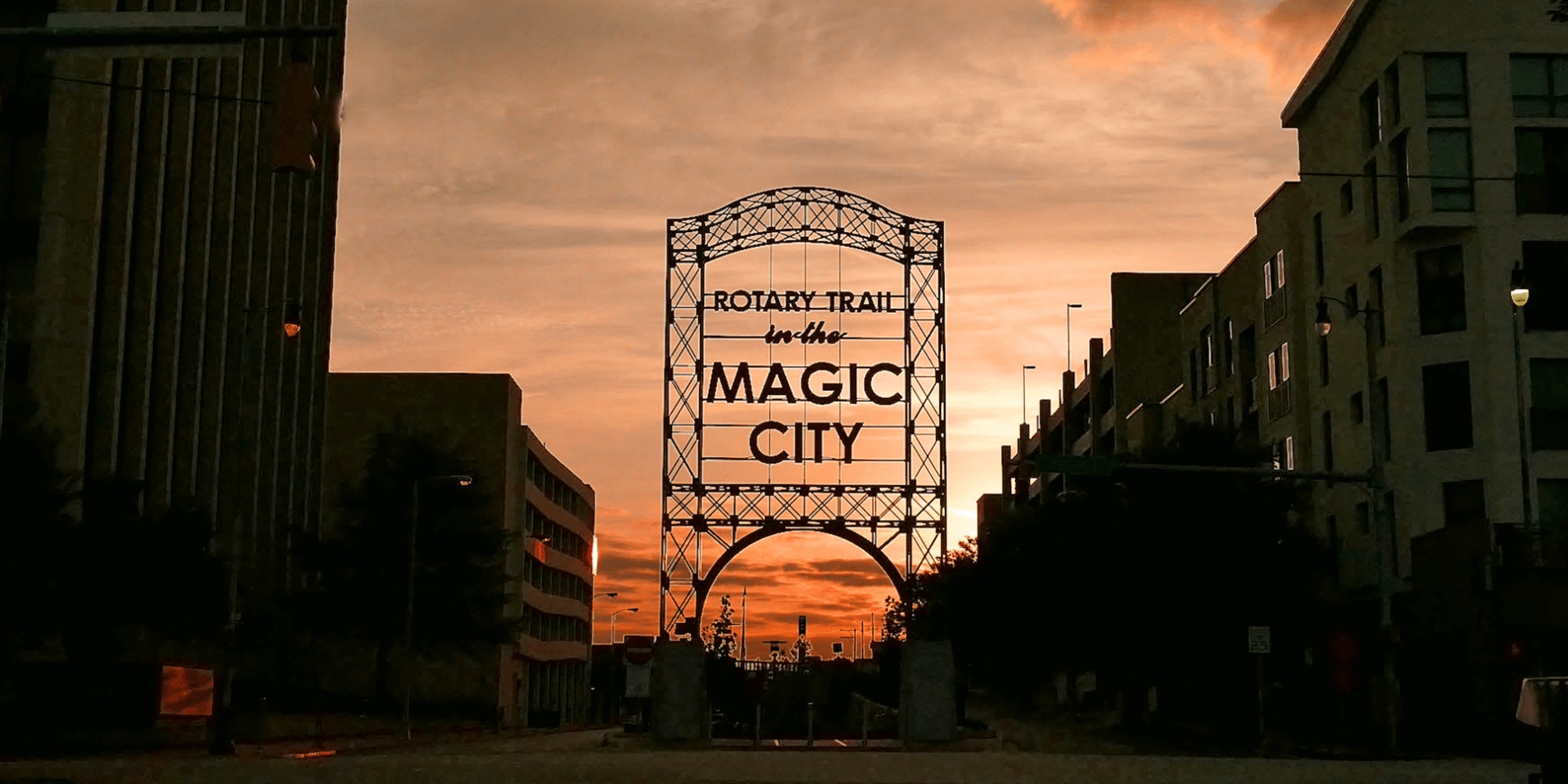
Completed in 2015 as the Rotary Club of Birmingham’s centennial project, Rotary Trail transformed a former rail corridor into a public space that linked Railroad Park to the larger Red Rock Trail network and strengthened connections across downtown.
The project represented an investment of about $3.5 million. In the decade since, more than $79 million has been invested along the trail corridor, while property values for parcels directly adjacent to the trail have increased by an average of 122%.
Its impact also shows up in how people experience the city. Rotary Trail created a more connected downtown — one where people could move between districts on foot, discover businesses they may have otherwise passed by, and experience downtown as a collection of neighborhoods rather than separate destinations.
That increased connectivity helped support continued residential investment along First Avenue South, strengthened the relationship between Parkside and Southside, and created more opportunities for restaurants, retailers, and small businesses to benefit from foot traffic.
Not every catalytic project takes the form of a new building. Sometimes growth comes from making existing places work better together!
The Pizitz: Where living, working, and gathering collide
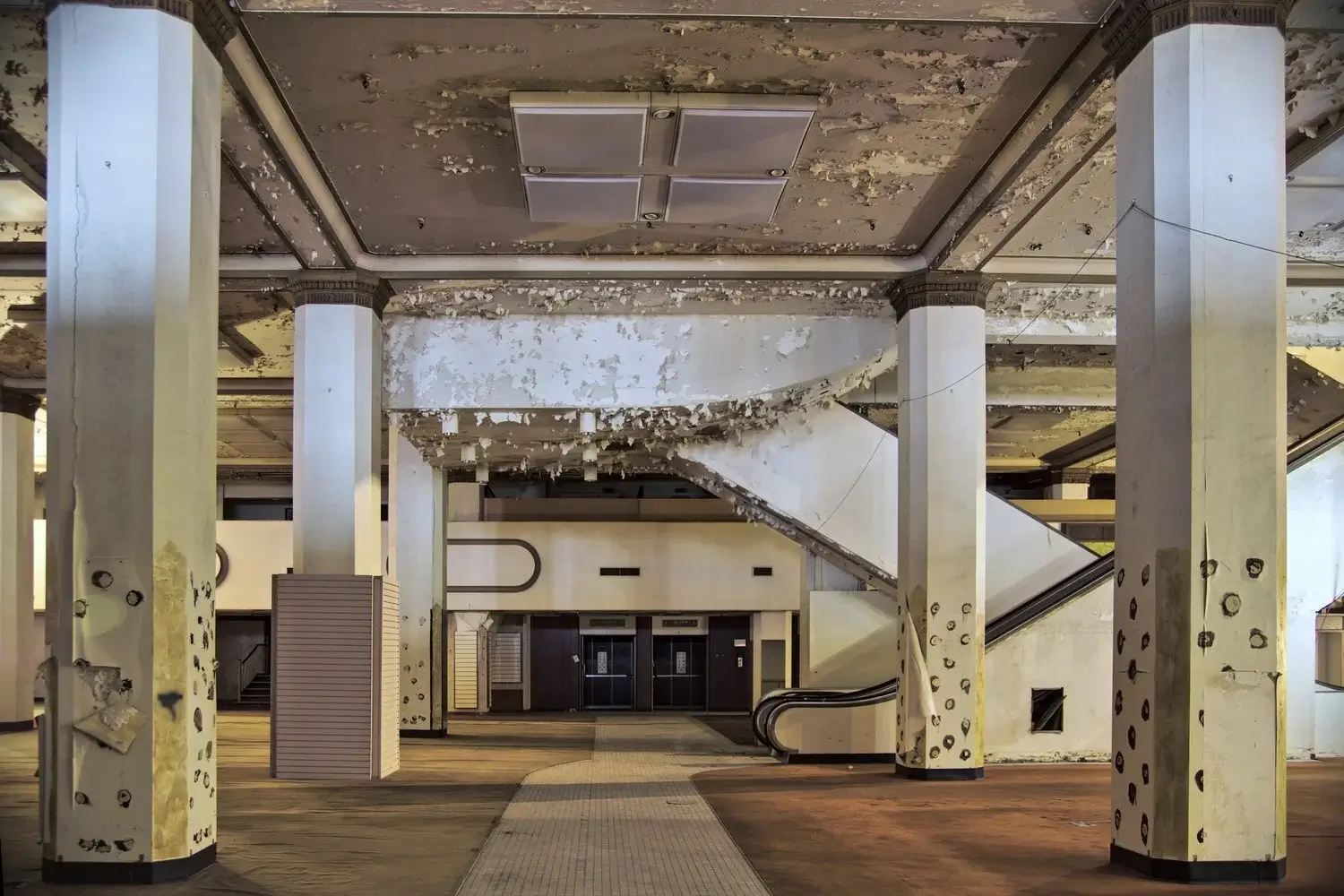
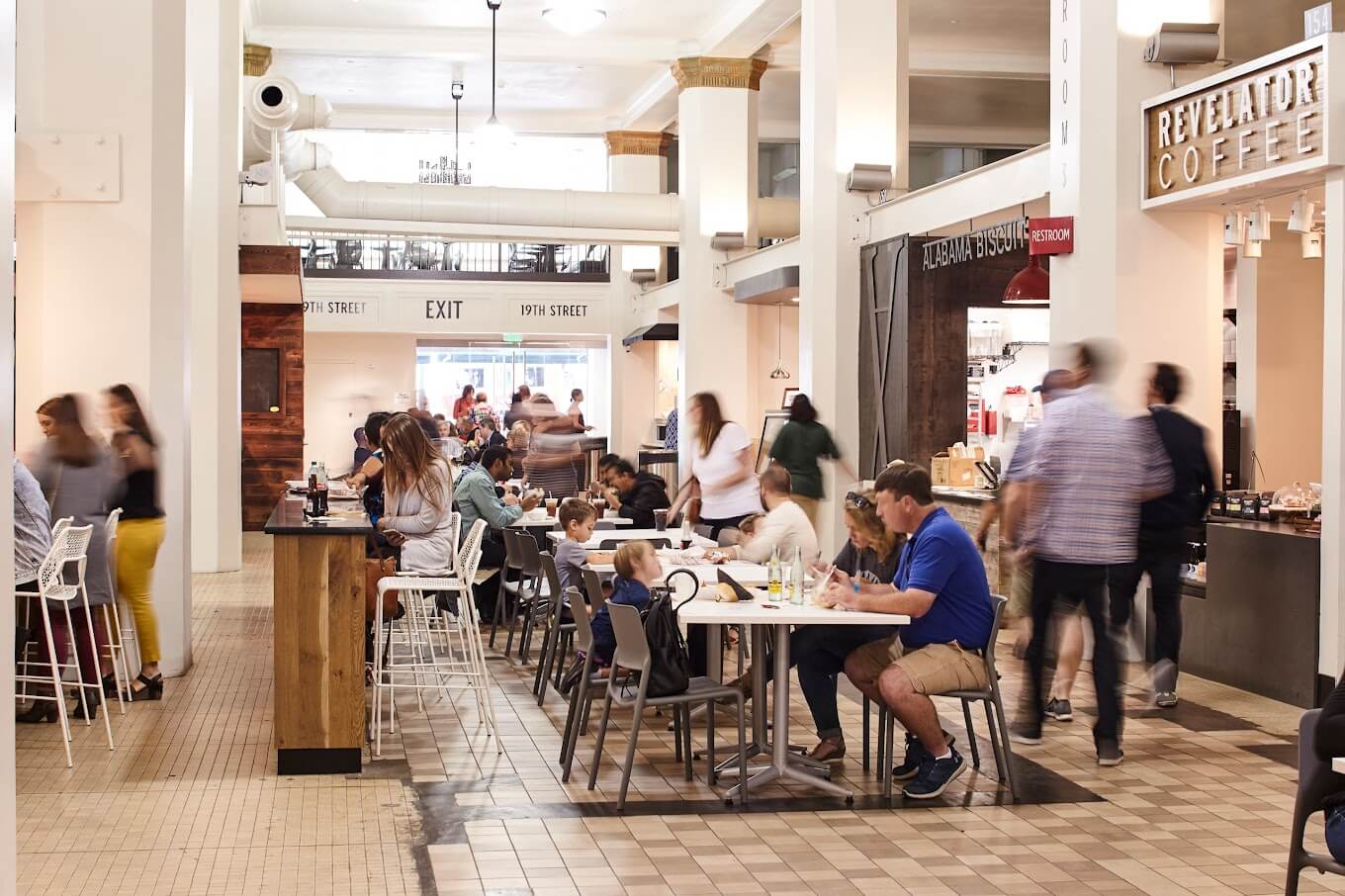
After sitting vacant for nearly 30 years, The Pizitz, a historic downtown department store, reopened in 2016. Its $70 million redevelopment transformed the building into a mixed-use destination with apartments, dining, retail, and gathering space — reinforcing downtown’s then-growing identity as a place to live, work, and spend time.
Sidewalk Film Center + Cinema established its permanent home within The Pizitz, adding another cultural anchor to downtown and creating more year-round activity in the district. Forge coworking space occupies the building’s second floor, creating a hub for entrepreneurs, remote workers, and growing businesses. Meanwhile, the food hall introduced new restaurant concepts and created a destination for both residents and visitors while generating ongoing sales tax revenue for the city.
Before its redevelopment, The Pizitz generated just $6,194 in annual property tax revenue, split among the state, county, school system, and the City of Birmingham. By 2025, that number had grown to more than $204,000, including more than $80,000 that went directly to the City of Birmingham.
But the value of The Pizitz can’t be measured by tax revenue alone. The residents who call the building home contribute to the daily rhythm of downtown life. They support nearby businesses, attend events, walk to restaurants, and help create the kind of activity that makes downtown feel vibrant and welcoming.
The bottom line: Investment creates momentum
Together, these three projects represent roughly $96.5 million in initial investment, but their impact is bigger than the dollars. They gave people reasons to stay downtown a little longer.
To walk one more block.
To open a business.
To rent an apartment.
To imagine what else could belong here.
And that’s often how growth happens — not all at once, but one good project at a time.
Read More
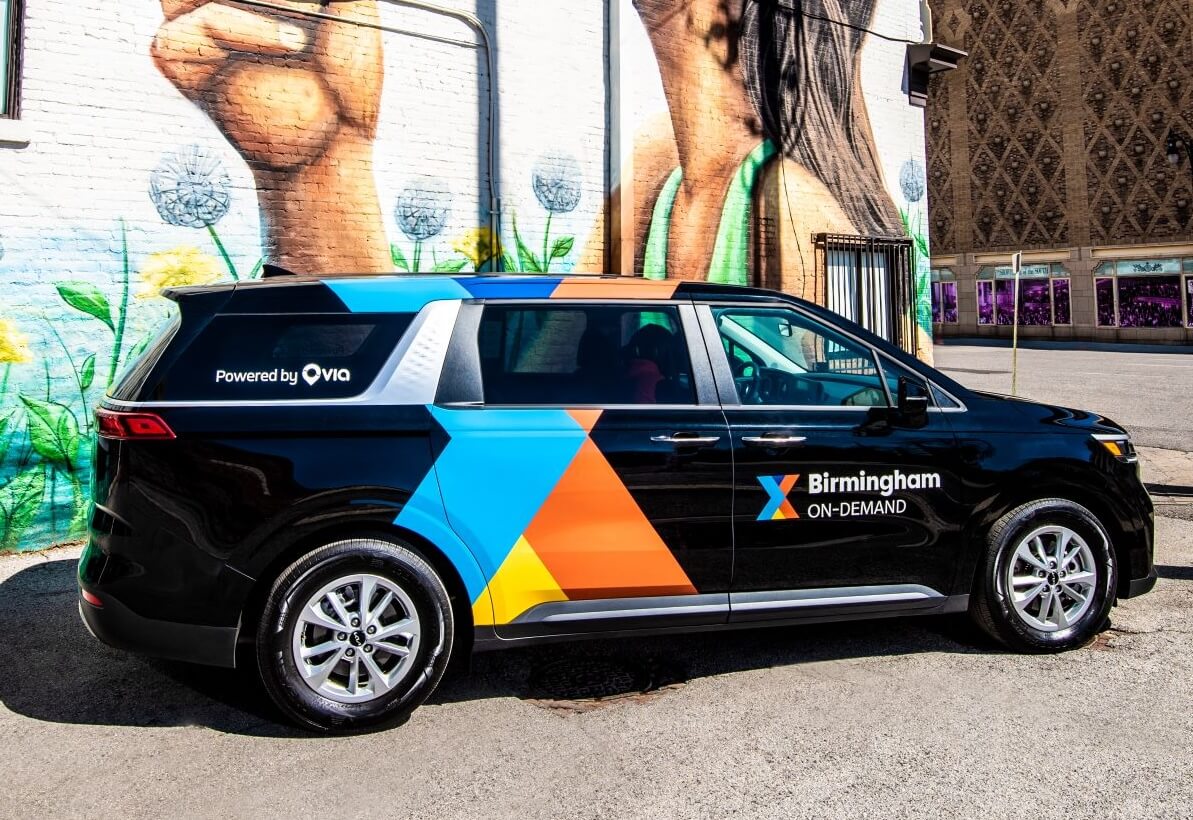
Navigating downtown: Parking and transit
Whether you’re visiting downtown Birmingham for a weekend getaway, attending a conference, catching a show, or exploring the area’s restaurants and attractions, getting around is easier than you might expect. Downtown’s districts are connected by a walkable street grid, and visitors have several transportation options available — from public transit and on-demand rides to parking decks and convenient mobile […]
Becoming a preservation advocate (even if you’re not an expert)
Historic preservation can feel intimidating from the outside. The terminology, tax credits, architectural styles and policy conversations can make it seem like you need a specialized background before you can participate. But the truth is, some of the strongest preservation advocates are simply people who care deeply about the places they call home. For the […]