Becoming a preservation advocate (even if you’re not an expert)
May 28, 2026 · City Center, Culture & History, Develop, Engage, Five Points South, Live, The Switch, Visit
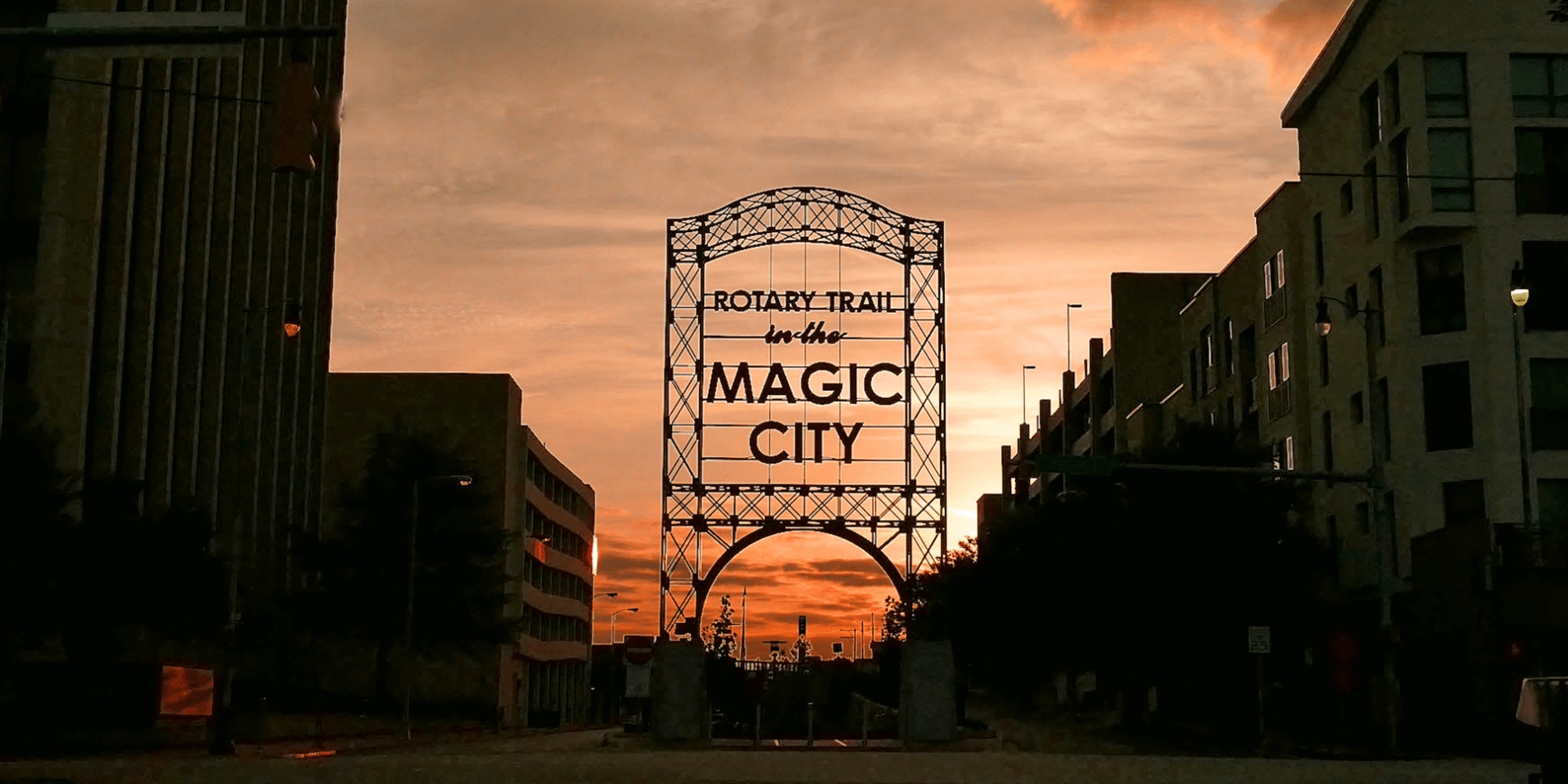
Historic preservation can feel intimidating from the outside. The terminology, tax credits, architectural styles and policy conversations can make it seem like you need a specialized background before you can participate. But the truth is, some of the strongest preservation advocates are simply people who care deeply about the places they call home.
For the third installment of our 2026 Historic Preservation Month series, we’re exploring a simple idea: you do not have to be an expert to become a preservation advocate.
In Birmingham, preservation is woven into the identity of the city itself. From the historic commercial buildings that line downtown corridors to iconic landmarks like Sloss Furnaces and the theaters, warehouses and storefronts that have found new life through adaptive reuse, preservation continues to shape how the Magic City grows. Some of Birmingham’s most beloved spaces exist today because people chose to advocate for them before they disappeared.
Advocacy starts with paying attention. It starts when you notice the historic storefront that gives your neighborhood character, the faded painted signs on the side of a downtown building, or the old brick structure that has quietly witnessed generations of change. Whether you’re walking through Five Points South, the Civil Rights District, or City Center, Birmingham’s history is visible in the buildings, streetscapes and gathering places that continue to anchor community life.
One of the easiest ways to begin advocating is by getting curious. Learn the history of your neighborhood. Ask longtime residents about the businesses, traditions and landmarks they remember. Visit local historic districts, attend community meetings, or participate in events hosted by preservation organizations (like Birmingham Historical Society) across the city. The more connected you become to the story of a place, the more naturally you’ll want to help protect it.
Advocacy can also be as simple as using your voice. Support local businesses operating in historic buildings. Share photos and stories about meaningful places in your community. Speak up when a historic structure is threatened. Encourage thoughtful redevelopment that respects a building’s history while giving it new life. Across Birmingham, we’ve seen former industrial buildings transformed into apartments, historic storefronts reactivated with new businesses and long-vacant structures restored into community assets — all because people believed those places were worth saving.
Importantly, preservation is not about freezing a city in time. Birmingham’s growth story shows that historic buildings can evolve to meet modern needs while still maintaining the character that makes neighborhoods distinct. Preservation and progress are not opposites; in many cases, they work best together. The energy we see today in our downtown districts is often rooted in the preservation and reuse of historic spaces.
You also don’t need to own a historic property to make an impact. Preservation advocacy takes many forms: volunteering at local events, supporting revitalization initiatives, documenting community history, attending public hearings, or simply encouraging others to appreciate the places around them. Every action helps build a stronger culture of stewardship.
At its core, preservation advocacy is about recognizing that places matter. Historic buildings help tell the story of who we are, where we’ve been and what communities value. When those places disappear, we lose more than architecture — we lose pieces of identity, memory and connection.
This Historic Preservation Month, consider this your invitation to participate. You don’t need to know every architectural term or understand every preservation policy to make a difference. You simply need to care enough to stay engaged, speak up and help others see the value in preserving the places that shape Birmingham’s story.
Read More
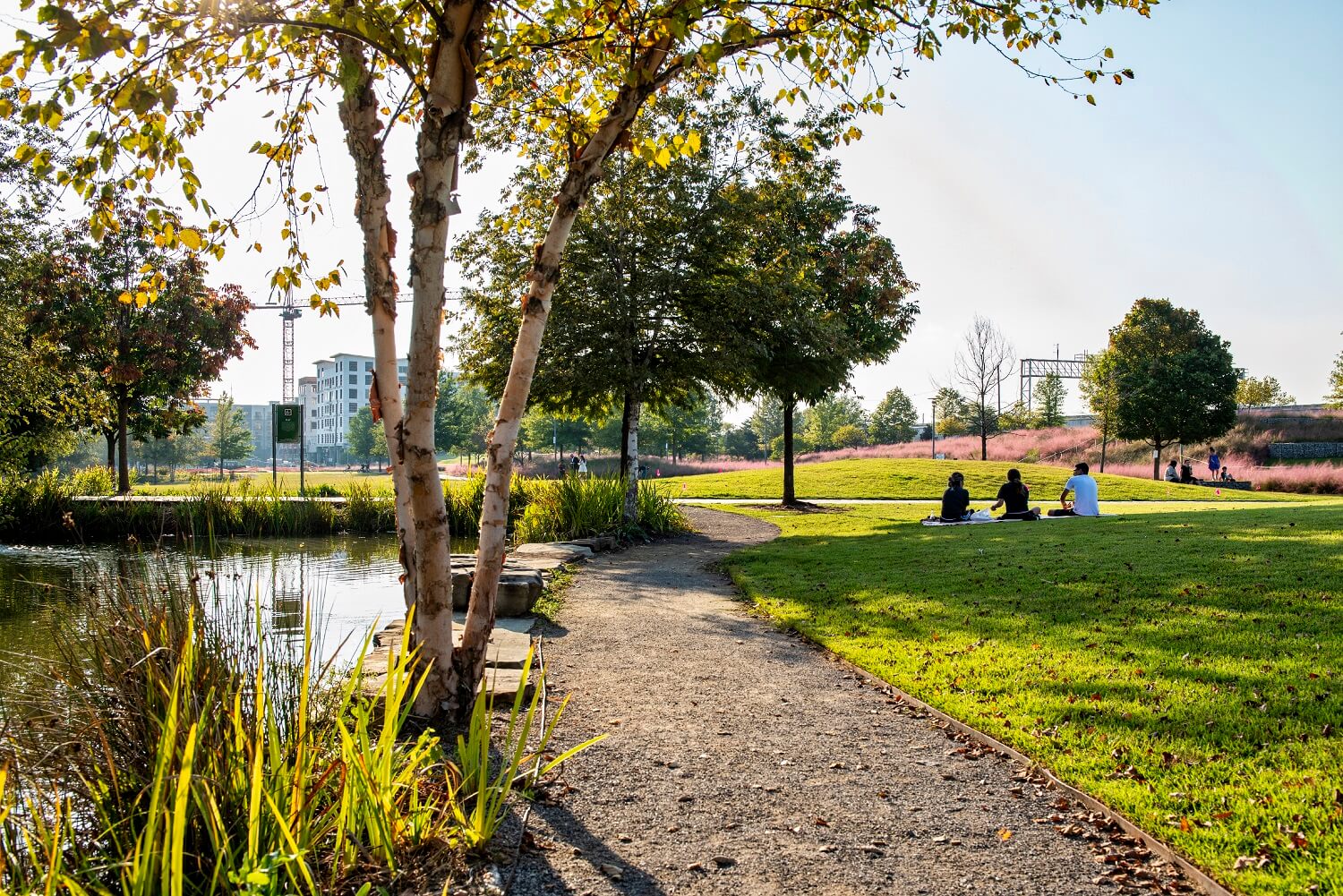
The ripple effect of downtown investment
Big change downtown rarely happens because of a single project. More often, one investment makes people see a place differently. A park fills up. A trail gets people walking between neighborhoods. An old building turns its lights back on. People spend more time there. Businesses open nearby. More people decide to live downtown. Slowly, one […]
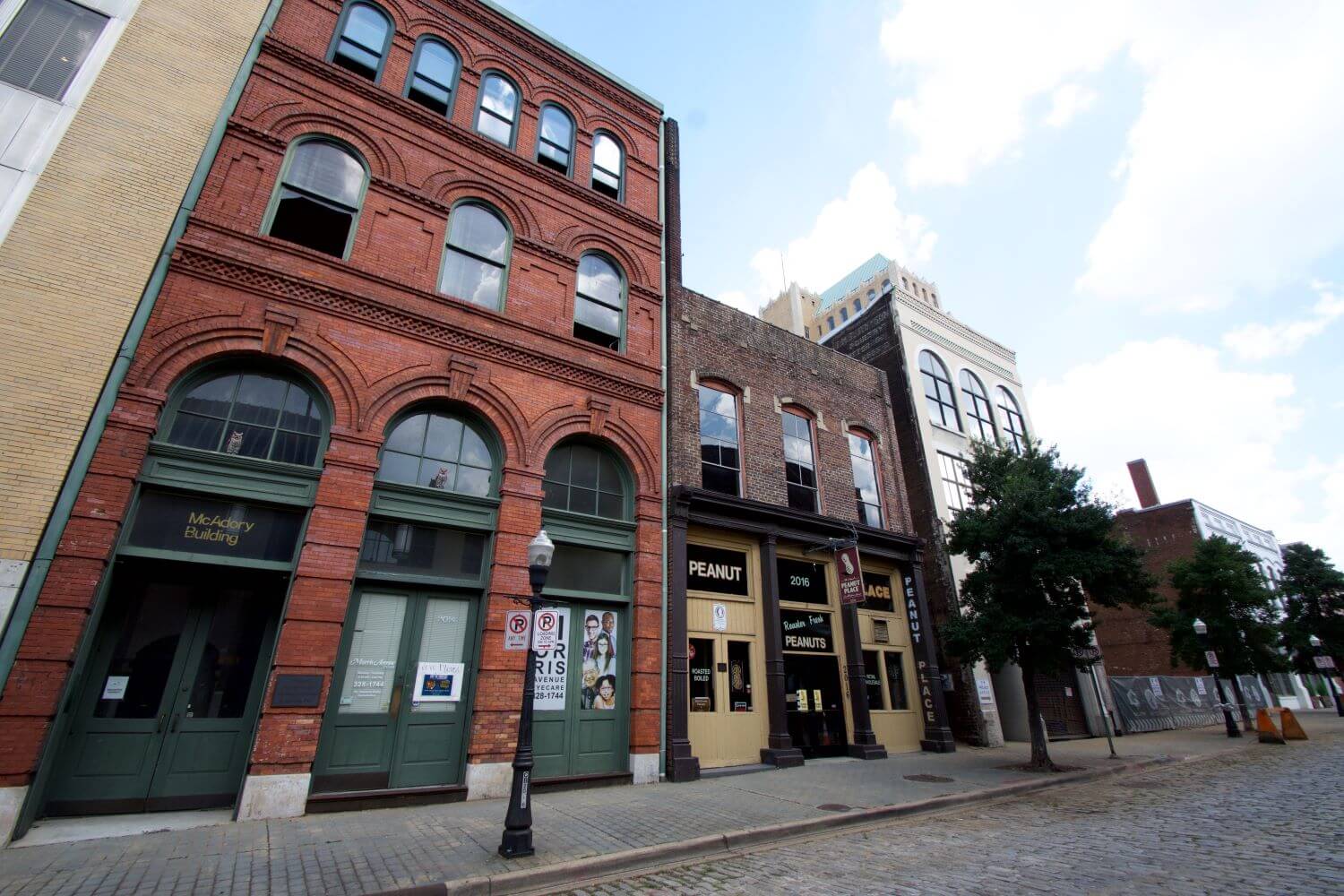
Preservation that pays: The economic case for saving historic buildings
When people think about historic preservation, they often think about nostalgia, architecture or cultural identity. And yes, those things matter. Historic buildings help tell the story of a city and create the kind of authentic places people actually want to spend time in. But preservation isn’t just about sentiment. It’s also about economics. Economist Donovan […]